Is SynoGut a Probiotic? Fiber, Gut Flora Claims and How It Compares
Written by the Synogut editorial team · Medically reviewed by Dr. Will Bulsiewicz, MD, Physician
Last updated · Review date: October 16, 2026 · Who reviewed this page · How we write and review
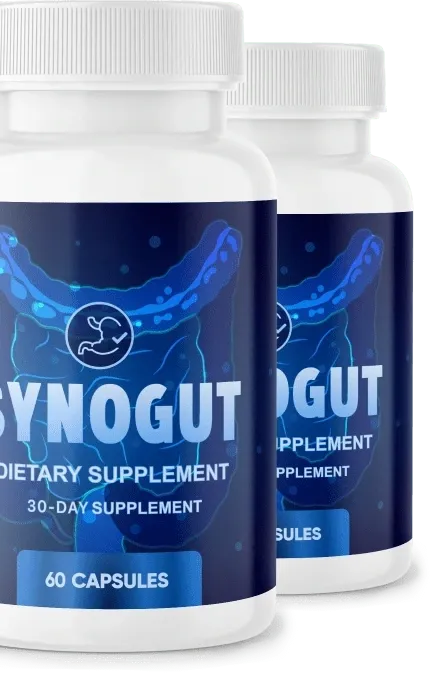
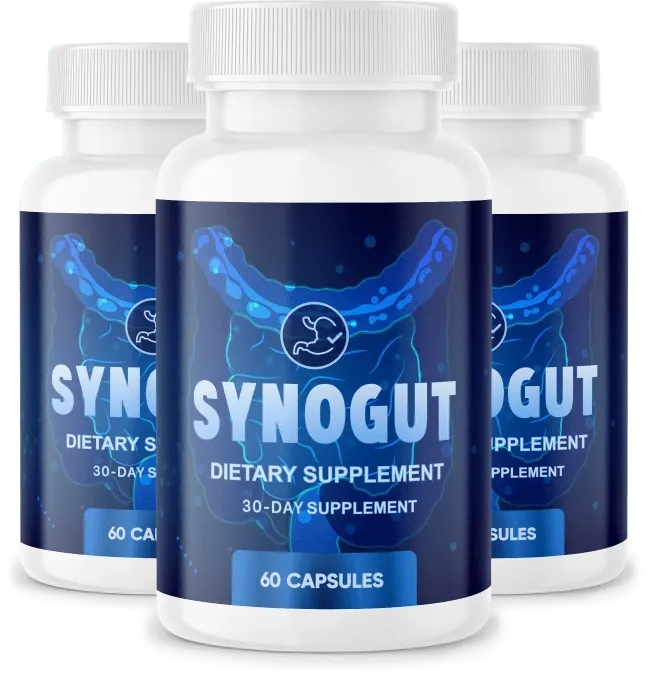
Not according to the bottle art. It names psyllium, bentonite clay, black walnut, oat, flaxseed and prune, and no probiotic. The brand’s info site text adds L. acidophilus but gives no strain or CFU count. Probiotic effects depend on strain and dose, so check the label on your own bottle.
Key facts
- The bottle art names six ingredients and none of them is a probiotic.
- The info site’s longer list adds L. acidophilus, with no strain and no CFU count.
- Probiotic effects depend on the exact strain and dose, and the best choice for most gut problems is still unclear.
- Synogut makes no gut flora or microbiome claim in the label wording we hold.
- A third-party review mentions an Amazon product with the same name that leads with a probiotic. We could not verify it.
- Your own bottle is the final word on what is inside.
Is SynoGut a probiotic?
Going by the bottle art, no. Synogut is sold as a fiber and plant capsule. The six names are psyllium, bentonite clay, black walnut, oat, flaxseed and prune. A probiotic is a live microbe. Nothing in that list fits.
The question gets muddy because of a second ingredient list. The brand’s info site text names ten ingredients, and one of the extra four is L. acidophilus, a microbe. That text shows no strain code and no count. And the bottle art does not show it.
| Source | Probiotic named? | Detail |
|---|---|---|
| Bottle art and seller graphic | No | Six fiber, clay and plant names |
| Brand info site text | L. acidophilus only | No strain and no CFU count |
| Third-party review of an Amazon item | Leads with one | Unverified; may be another product |
| Label on your bottle | Check it | The only list that counts |
What would a real probiotic label show?
Probiotics are not one thing. Their effects depend on the exact strain and the dose, and for most gut problems the best choice is still unclear. That is why a useful label is specific.
CFU stands for colony-forming units. It is a count of live microbes. A probiotic worth judging names its strains and prints a CFU number. Some probiotic products also fail to match their labels, which is one more reason the label and the seller matter.
- Named strains, not only a general microbe name.
- A CFU count, in the same panel as the other facts.
- A maker or distributor name and a place of business.
Synogut gives none of these for L. acidophilus. So even if your bottle did list it, you could not judge it from what is published.
Does SynoGut balance gut flora?
No gut flora claim is made in the label wording we hold. The claims are about supporting a healthy digestion and a smooth gastric transit. They do not mention bacteria, flora or the microbiome.
Pages that say Synogut restores gut balance are adding a claim. The research we cite covers fiber and prunes on stool output. One prune trial also looked at gut microbes, but our sources do not carry a finding that applies to this capsule.
If it is not a probiotic, what kind of product is SynoGut?
It is closest to a plain fiber supplement with extras. Three of the six ingredients are fibers: psyllium, oat and flaxseed. Prune adds fiber and sorbitol. Clay and black walnut are the odd ones out.
A gel-forming fiber like psyllium needs a full glass of water. Drug labels for swelling fibers carry a choking warning. So the daily habit that goes with this capsule is a fluid habit more than a bacteria habit.
To see each ingredient next to its research dose, read our post on what ingredients are in SynoGut.
How does SynoGut compare with other fiber and probiotic products?
We compare types of product here, not brands. It is a fairer way to see where this capsule sits.
| Feature | Synogut | Plain psyllium powder | Probiotic capsule | Fiber from food |
|---|---|---|---|---|
| What it is | Capsule with 6 listed ingredients | One soluble fiber | Live microbes | Fruit, vegetables, beans, whole grains |
| Fiber per day | Not stated; likely 1-2 g total | Trials used about 10-19 g | Usually none | 22-34 g is the adult target |
| Amounts on the label | Not published | Usually printed per scoop | Strain and CFU should be printed | Not a product |
| Guideline view | Formula not studied | Psyllium suggested by a 2023 guideline | Depends on strain and dose | First step for everyone |
| Water needed | Full glass | Full glass | Normal | Plenty of fluids |
Synogut sits between a plain fiber powder and a mixed gut formula. It is a convenience pick with unknown amounts. Other products may print more detail on the label, and that detail is worth paying for.
Could a SynoGut on a marketplace be a probiotic?
It could be. One third-party seller’s review describes an Amazon product under the Synogut name that leads with a 40 billion CFU probiotic and lacks flax, prune and clay. We could not verify that, and as of October 13, 2026 we could not confirm an Amazon or Walmart listing.
The point is simple. A name alone proves nothing. A bottle with another capsule count, a probiotic panel or a different form does not match the bottle art here. If that happens, stop and call the order desk at +1 (302) 200-3480 with your order ID.
Start from the order buttons on this site, which lead to the authorized checkout. For more on lookalikes, see where can I buy SynoGut.
Who should talk to a doctor before choosing a gut product?
Anyone who takes daily medicines, is pregnant or nursing, or has a bowel condition. Clay and walnut tannins can bind medicines, and psyllium labels advise about 3 hours of space from some drugs. A doctor or pharmacist can tell you what fits.
Also see a doctor for blood in the stool, black stool, severe belly pain or weight loss without trying. A supplement is not the answer to those signs.
Frequently asked questions
Short answers about probiotics, L. acidophilus and the label.
Is SynoGut a probiotic?
Not according to the bottle art, which names six fiber, clay and plant ingredients. The info site text adds L. acidophilus, with no strain or CFU count.
Does SynoGut contain L. acidophilus?
Only the info site’s text names it. The bottle art does not. Check the label on the bottle you receive.
What does CFU mean on a probiotic label?
CFU stands for colony-forming units, a count of live microbes. Results depend on the exact strain and dose, and Synogut gives neither.
Does SynoGut help gut flora balance?
No gut flora claim is made, and our sources do not show a finding that applies to this capsule.
Is SynoGut a fiber supplement?
It is closest to one. Psyllium, oat and flaxseed are fibers, and prune adds fiber and sorbitol. Amounts are not published.
What if my bottle lists a probiotic?
Do not take it yet. It would not match the bottle art. Call the order desk at +1 (302) 200-3480 with your order ID.
Our view
Our view: it is fair to call Synogut a fiber-and-plant capsule, and fair to be wary of anyone who calls it a probiotic. The two lists in circulation are the cause of the confusion, and only the label on your bottle can clear it up.
If you want a probiotic, look for one that names its strains and prints a CFU count. If you want to try Synogut, keep your hopes modest and use the guarantee window. Ask a doctor first if you take medicines or have a health condition. This is general information, not medical advice.
Last updated November 4, 2026.