What Does Black Walnut Do in SynoGut, and Is It Safe?
Written by the Synogut editorial team · Medically reviewed by Dr. Will Bulsiewicz, MD, Physician
Last updated · Review date: October 16, 2026 · Who reviewed this page · How we write and review
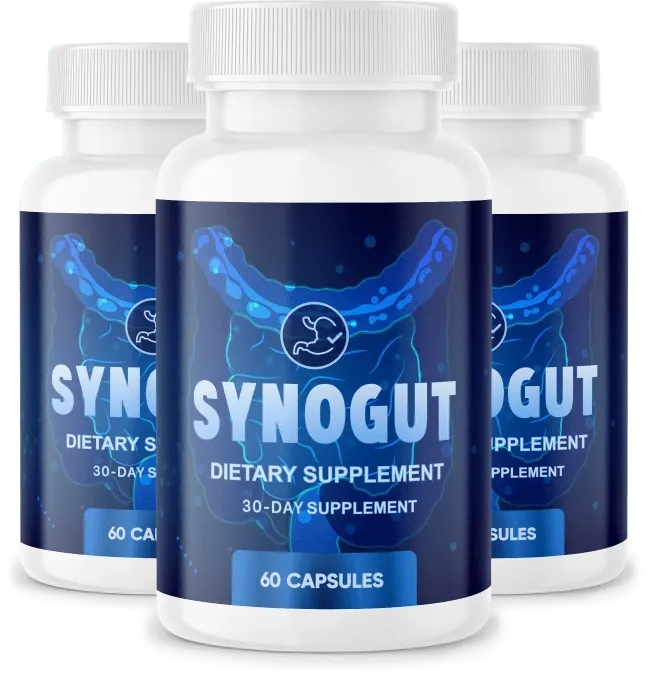
Black walnut is one of the six ingredients named on the SynoGut bottle art. It is usually the hull of Juglans nigra, rich in tannins. The evidence is too thin to rate it for gut worms or digestion, no dose is set, and the SynoGut amount is not stated. Its tannins may cut medicine absorption.
Key facts
- Black walnut is listed on the bottle art as Juglans nigra, usually the hull, rich in tannins.
- The amount in SynoGut is not stated, and no safe or useful dose has been set for the herb.
- Evidence is too thin to rate black walnut for intestinal worms or for digestion.
- The tannins may cut the absorption of medicines swallowed by mouth.
- SynoGut makes no parasite claim and is not a treatment for worms or any bowel disease.
- Whether the capsule is safe for people with nut allergies is not published.
What is black walnut, and why is it on the SynoGut label?
The bottle art gives the Latin name, Juglans nigra, and notes that the part used is usually the hull. It describes the hull as rich in tannins.
The hull has a folk name as a remedy for gut worms. Its tannins matter for another reason too: they may lower how well medicines taken by mouth are absorbed.
Why a maker adds it to a digestive capsule is not explained. The seller does not say what job black walnut is meant to do. We can describe the plant, but we cannot honestly describe a purpose the seller has not stated.
| Fact | What is published |
|---|---|
| Ingredients on the bottle art | Psyllium, bentonite clay, black walnut, oat, flaxseed, prune |
| Ingredient amounts | Not published |
| Serving | Follow your back label. Sixty capsules over 30 days works out to 2 capsules a day |
| Black walnut entry | Juglans nigra, usually the hull; rich in tannins. Amount: Not stated |
Does black walnut have any proof behind it?
Not enough to rate it. The source we rely on, a supplement reference, says the evidence is too thin to grade black walnut for intestinal worms or for digestion (RxList, black walnut). No dose has been set either.
That is a polite way of saying nobody has shown it works. It does not say it fails. It says the studies needed to decide are missing.
| Ingredient | Research view in our sources |
|---|---|
| Psyllium | Best studied; trials used about 10 to 19 g a day |
| Prune | Whole-fruit trials used 80 to 120 g a day |
| Flaxseed | About 10 g a day in one small trial |
| Oat | 3 g a day of beta-glucan is a heart figure, not a digestion dose |
| Bentonite clay | No established dose; FDA warned about lead in one clay product |
| Black walnut | Evidence insufficient; no dose set; tannins may cut drug absorption |
Black walnut sits at the bottom of that table with clay. Both are in the capsule on the strength of tradition, not on trials.
Does black walnut kill parasites?
Good evidence that it does is lacking. Black walnut hull has a folk name as a gut-worm remedy, but the evidence is too thin to rate it (RxList, black walnut).
SynoGut makes no parasite claim. Its four sales claims talk about digestion, not worms. So you should not read the walnut on the label as a promise to clear a parasite.
Be careful with any page that pairs black walnut with a cleanse. The National Center for Complementary and Integrative Health finds little good research that detox or cleanse products remove toxins or improve health (NCCIH, 2025).
Can black walnut interact with medicines?
It may. The tannins in the hull may lower how well medicines taken by mouth are absorbed (RxList, black walnut). If less of a drug gets into the blood, it may work less well.
SynoGut carries two other ingredients that can do something similar. Psyllium may bind some drugs, and MedlinePlus says to keep it about 3 hours away from digoxin, aspirin and nitrofurantoin (MedlinePlus, 2024). Clay may reduce absorption too (RxList, clay).
| Ingredient | Why spacing matters | What to do |
|---|---|---|
| Psyllium | May bind some drugs and cut how much you absorb | Keep about 3 hours apart from the three named drugs; ask about others |
| Bentonite clay | May bind medicines and nutrients | Ask your pharmacist for a safe gap |
| Black walnut hull | Tannins may cut drug absorption | Ask your pharmacist for a safe gap |
No one has measured these effects in the finished capsule. The amount of each ingredient is not published. So the safe stance is to treat every daily medicine as one that needs a pharmacist's view before the first dose.
Is black walnut a worry for people with nut allergies?
We cannot answer that from the material we hold. The sources do not rate black walnut for allergy, and no allergen statement is shown for SynoGut. Making a claim either way would be a guess.
What you can do is simple. If you have any nut allergy, show the ingredient list to your doctor before you begin. Ask the order desk on +1 (302) 200-3480 whether an allergen statement is printed on the back label.
- Read the back label for an allergen line.
- Show the six names to your doctor or allergist.
- Skip the product if nobody can give you a clear answer.
Is it safe to take black walnut every day?
Nobody can say for the SynoGut capsule. No study has tested the finished formula, and the black walnut amount is not published. Our source does not set a dose for the herb itself (RxList, black walnut).
What we can say is what the label asks. Follow the serving printed on your back label. The bottle math points to 2 capsules a day, and the product is meant for adults 18 and over. Do not add extra capsules in the hope of more benefit.
More is not always better with supplements. The NIH makes that point plainly, and it asks you to tell every health provider what you take (NIH Office of Dietary Supplements, 2023).
Who should check with a doctor before taking a capsule with black walnut?
Several groups should get a clear yes first. They are not rare. Many adults fit at least one.
- Anyone who takes a daily medicine, including heart drugs and antibiotics.
- Pregnant or nursing women.
- Anyone with a nut allergy or a long-term health condition.
- People with trouble swallowing or a narrowed bowel, because of the swelling fiber in the capsule.
- Anyone under 18, since the seller sets the product for adults.
Bring the bottle to the appointment, or a photo of the label. Natural does not always mean safe (NCCIH, 2019), and a pharmacist can read an ingredient list faster than you can describe it.
Is black walnut the reason to buy SynoGut?
It should not be. The ingredient with real research behind it is psyllium, and even that is studied at gram doses that a small capsule cannot hold. Black walnut adds an unknown on top of an unknown. FDA does not approve supplements before sale, so SynoGut is not FDA approved either.
That does not make the product bad. It makes the case for it modest. Some buyers like a simple daily capsule next to a fiber-rich diet, and the 60-day money-back guarantee lets you test the idea at limited risk.
| Fact | What is published |
|---|---|
| Packs and prices | 2 bottles at $79 each, 3 at $69 each, 6 at $49 each on the sales page. No 1-bottle pack |
| Guarantee | 60-day money-back. Claim by phone with your order ID. The buyer pays tracked return postage |
| Refund timing | 3-5 business days after the returns desk credits you, then 5-10 days on your card |
| Order desk | +1 (302) 200-3480 for orders, tracking and refunds |
Frequently asked questions
Short answers on black walnut and SynoGut, from the bottle art and the sources named on this page.
What does black walnut do in SynoGut?
The seller does not say. Black walnut hull is rich in tannins and has a folk name as a gut remedy, but the evidence is too thin to rate it for digestion, and no amount is published.
Does black walnut kill parasites?
There is no good evidence that it does, and SynoGut makes no parasite claim. A doctor can test for worms and prescribe a proven medicine.
Can black walnut interact with my medicines?
It may. Its tannins may lower how well medicines taken by mouth are absorbed. Ask your doctor or pharmacist before you start, and tell them about every supplement you take.
How much black walnut is in SynoGut?
That is not published. The bottle art names the ingredient and gives no amount, and no Supplement Facts panel was supplied to us.
Is SynoGut safe for people with nut allergies?
We cannot say. No allergen statement is shown in the material we hold, so ask your doctor and the order desk before you begin.
Is the black walnut in SynoGut tested for safety?
No study of the finished SynoGut formula exists, and no independent lab report is published. The safety notes come from the ingredients one by one.
Our view
Black walnut is the least explained name on the SynoGut label. The seller gives no job for it, no amount for it and no study for it. What the sources do give is a caution: its tannins may get in the way of medicines.
If you take a daily medicine, that caution matters more than any hoped-for benefit. Ask your pharmacist how far apart to take things. If you have a nut allergy, ask before you start.
SynoGut is a dietary supplement and not a drug. It is not a treatment for worms or any bowel disease, and no FDA review has approved it, as none does for supplements.
Last updated November 4, 2026.