Bentonite Clay in Gut Supplements: Lead, Medicines and What We Know
Written by the Synogut editorial team
Last updated · Who reviewed this page · How we write and review
No safe dose of bentonite clay has been set, and long-term oral use is rated possibly unsafe. FDA found high lead in one clay powder in 2016. Clay may bind medicines and lower potassium and iron. There is no good evidence it removes toxins. Synogut lists clay on its bottle art but publishes no amount or lead test.
Is bentonite clay safe to eat?
Nobody has set a safe dose for eating bentonite clay. Long-term oral use is rated possibly unsafe, mainly because of lead and because clay can grab hold of medicines and minerals.
A drug and supplement reference lists no established dose for clay (RxList, n.d.). It warns that eating clay for a long time may lower potassium and iron and may cause lead poisoning. It also says clay may reduce how well some medicines are absorbed.
Clay is one of six ingredients on the Synogut bottle art. So it is worth knowing what the evidence says before you take any gut supplement that includes it.
What is bentonite clay, and why is it in gut supplements?
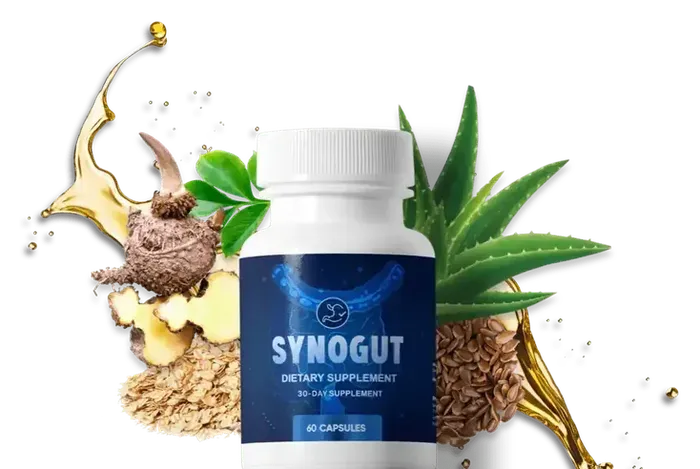
Bentonite is a volcanic clay, mostly a mineral called montmorillonite. It soaks up water and binds other substances that touch it.
That binding power is why sellers add it to gut products. The same power is also why it raises questions about medicines and nutrients.
What Synogut claims, and what it does not
The Synogut sales material says the formula can help you “Enjoy a smooth gastric transit” and support the health of your digestive system. It makes no promise that clay removes toxins, and neither does this site.
What did FDA say about bentonite clay and lead?
FDA warned people not to buy or use one bentonite clay powder after its tests found high levels of lead. The product was sold to be mixed into drinks.
The 2016 warning named a product called Best Bentonite Clay (FDA, 2016). It did not cover every clay. Still, it shows that a clay product can carry lead, and only testing tells you how much.
That is not a loophole in one case. FDA says it does not approve supplements before sale, and the company is responsible for making sure its product is safe (FDA, 2022).
How can clay affect medicines and nutrients?
Clay can bind medicines in the gut and lower how much your body absorbs. Over time it may also lower potassium and iron.
Here is what the clay reference flags and what each point means for you.
| What clay may affect | Why it matters | What you can do |
|---|---|---|
| Medicines taken by mouth | Less of the drug may reach your blood | Ask your pharmacist about spacing or skipping clay |
| Potassium | Long-term use may lower it | Tell your doctor if you take clay for weeks |
| Iron | Long-term use may lower it | Ask first if you have low iron |
| Lead | Some clay products tested high | Ask for a heavy-metal test for your lot |
| Dose | No safe dose has been set | Do not stack clay products |
The NIH supplement office adds a plain rule: supplements can interact with medicines, and more is not always better (NIH ODS, 2023). Tell every doctor and pharmacist you see about each supplement you take, including clay.
Does bentonite clay remove toxins from the gut?
There is no good evidence that it does. Detox and cleanse products have little solid research behind claims that they flush out toxins or improve health.
NCCIH also notes that the FTC and FDA have acted against companies making false cleanse claims (NCCIH, 2025). Clay can grab things in a lab dish, but that is not proof it cleans anything out of a person.
Claims you should not believe from any clay product
- It pulls heavy metals or toxins out of your body
- It kills parasites or cleans out the colon
- It treats constipation, IBS or any bowel disease
- It is safe because it is natural
NCCIH makes the last point clearly: natural does not always mean safe (NCCIH, 2019). A volcanic clay is about as natural as it gets, and it still carries a lead warning.
Who should not take bentonite clay?
People on daily medicines, pregnant or nursing women and children should skip it or ask a doctor first. So should anyone told they have low iron or potassium.
Daily medicine users
Clay may cut how much of a drug you absorb. Ask your pharmacist before you start.
Pregnant or nursing women
No clay safety data for pregnancy is given in our sources. Ask your doctor before any clay product.
Children
Synogut is sold for adults 18 and over. Keep any clay product out of reach of children.
Low iron or potassium
Long-term clay use may lower both minerals. Check with your doctor first.
These cautions add to the ones that come with fiber, such as taking capsules with a full glass of water. Our Synogut side effects page lists them all in one place.
How much bentonite clay is in Synogut, and was it tested for lead?
The amount is not stated, and no lead test has been published. No Supplement Facts panel for Synogut was supplied, so the clay share of each capsule is unknown.
FDA expects a label to list each ingredient’s amount, or at least the total weight of a blend (FDA, 2005). Without that, you cannot judge how much clay you take each day.
The lot and certificate numbers on our draft materials, SYN-26/GO-6181 and SYN-6181-26-GO, are draft labels, not lab proof. An independent heavy-metal test for the clay is on our list of missing facts. Our guide to checking your bottle shows how to read the lot number on what arrives.
How do you check a clay supplement before you buy it?
Start with the label, then ask the seller for proof. A short list of checks tells you most of what you need to know.
- 1
Find the clay amount
Look for bentonite in the Supplement Facts panel, with milligrams per serving.
- 2
Ask for a heavy-metal test
Request a lab report for lead that matches the lot number on your bottle.
- 3
Check your medicines
Show the label to your pharmacist and ask about timing or skipping it.
- 4
Keep it short-term
Long-term oral clay use is rated possibly unsafe, so do not take it open-ended.
- 5
Stop if something feels wrong
Stop the product and call your doctor if you feel unwell.
Where does Synogut fit if clay worries you?
If you would rather avoid clay, a single-fiber product with a printed gram amount is the simpler choice. If you take daily medicines, that matters even more, because both fiber and clay can affect absorption.
Fiber is the better-studied part of the Synogut formula. Our post on how much psyllium the studies used walks through those doses.
Some readers are comfortable with a small amount of clay after talking with their doctor. If that is you, the Synogut pricing page lists the packs and the 60-day money-back terms in writing. Read the ingredient list on your bottle first.
Bentonite clay: common questions
Questions people type into Google and Bing, answered from the label and the sources on this page.
Is it safe to eat bentonite clay?
No safe dose has been set. Eating clay over the long term is rated possibly unsafe, because it may lower potassium and iron and can lead to lead poisoning. Ask your doctor before you take any product that contains it.
Does bentonite clay have lead in it?
Some products do. In 2016, FDA tests found high lead levels in a bentonite clay powder sold for drinking. Only a heavy-metal test of the lot you buy can show how much lead a product holds.
Can bentonite clay interfere with medication?
Yes, it may. Clay can reduce how well some medicines taken by mouth are absorbed. If you take any daily medicine, ask your pharmacist how far apart to keep them, or whether to skip clay altogether.
Does bentonite clay remove toxins from the gut?
There is no good evidence that it does. NCCIH says little good research shows detox or cleanse products remove toxins or improve health. Clay binding things in a jar is not proof of a body-wide benefit.
What did FDA say about bentonite clay?
In 2016, FDA warned consumers not to buy or use a clay product called Best Bentonite Clay after its tests found high lead levels. That warning named one product, but it shows why lead testing matters for any clay.
Can bentonite clay cause constipation?
The sources we rely on do not answer this directly. What they do say is that long-term clay use is rated possibly unsafe. If your bowel habits change for the worse on any product, stop it and talk with your doctor.
Who should not take bentonite clay?
Anyone on daily medicines, pregnant or nursing women, children, and people with low iron or potassium should ask a doctor first or avoid it. Clay may bind medicines and lower those minerals.
Is food-grade bentonite clay safe?
A label word like food grade does not tell you the lead level. The product FDA warned about was sold for people to drink. Ask the seller for a heavy-metal test for your lot before you trust any clay product.