Is SynoGut FDA Approved? Who Makes It and What Testing Exists
Written by the Synogut editorial team · Medically reviewed by Dr. Will Bulsiewicz, MD, Physician
Last updated · Review date: October 16, 2026 · Who reviewed this page · How we write and review
No. Synogut is a dietary supplement, and FDA approves no supplement or factory before sale. The info site’s phrase about an FDA approved, GMP certified facility is wrong. The maker is not named, no lab report is published, and the lot and certificate codes are draft labels, not lab proof.
Key facts
- No dietary supplement is FDA approved. FDA does not approve supplements or their labels before they are sold.
- FDA does not approve factories and does not issue registration certificates.
- The info site says Synogut is made in the USA in an "FDA approved and GMP certified facility." That wording is wrong.
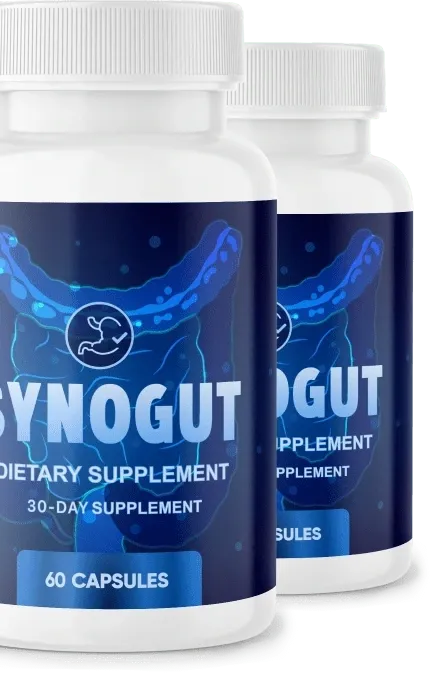
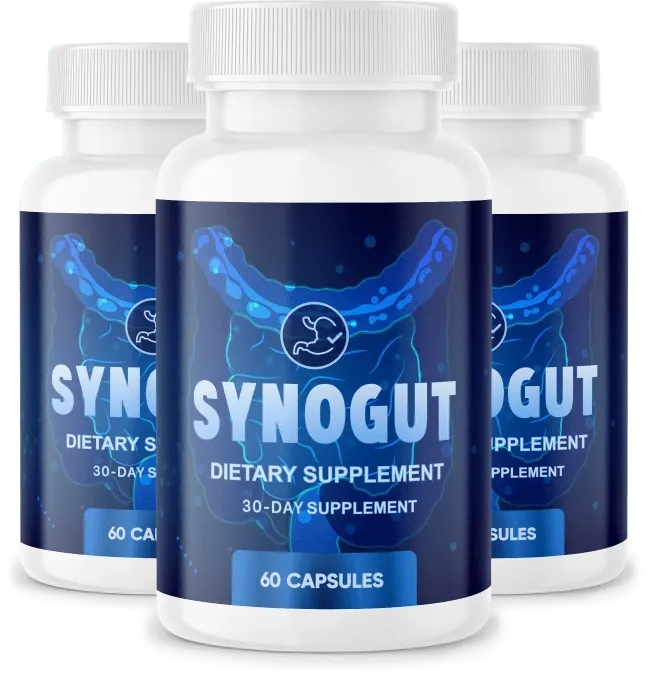
- No maker or distributor name appears on the bottle images or the info site.
- Lot SYN-26/GO-6181 and certificate SYN-6181-26-GO are draft labels, not lab proof.
- No independent lab report and no heavy-metal test for the clay have been published.
Is SynoGut FDA approved?
No, and the same is true for every dietary supplement on the market. Drugs go through FDA review before sale. Supplements do not. The company must make sure its product is safe and its claims are true, and FDA steps in later if there is a problem.
So when a page says "FDA approved" about a capsule, it is using the wrong word. It may mean the plant is on a list. It may mean nothing. Either way, it is not an approval of the product in the bottle.
Synogut’s own label wording is the careful kind. Its claims are support claims, and the standard sentence appears with them: these statements have not been evaluated by the Food and Drug Administration, and the product is not intended to diagnose, treat, cure, or prevent any disease.
What does FDA do with supplements, and what does it not do?
Many buyers assume a government check sits between the factory and the shelf. It does not. The table shows where FDA’s role starts and stops.
| FDA does | FDA does not |
|---|---|
| Require facilities to register | Approve a supplement before it is sold |
| Set manufacturing rules for supplement makers | Approve or certify factories |
| Require a Supplement Facts panel and a maker or distributor name | Issue certificates of registration |
| Require a disclaimer on claims like support for digestive health | Pre-approve those claims |
| Act on unsafe or mislabeled products after sale | Test every batch on the market |
This is why the seller’s honesty and your own checks carry so much weight. The system leans on the company first, and on you second.
What does an FDA registered facility mean?
It means a plant has listed itself with FDA as a food or supplement facility. That describes a building and a company. It does not describe the formula in your bottle, and it is not a stamp of approval.
FDA also says it does not recognize registration certificates sold by private businesses. If you ever see a certificate with a fee attached, be wary. The honest sentence is short: this facility is registered, nothing more.
Is SynoGut made in the USA, and who makes it?
The info site says the capsules are made in the USA. We could not confirm that from a label line, because the back label has not been shown to us. Origin alone also does not tell you what is in a capsule.
As for who makes it, no maker or distributor is named on the bottle images or on the info site. A supplement label must carry the name and place of business of the maker or distributor. So that line is the first thing to look for when your bottle arrives.
What we can name is the seller. This site is run by the USA Authorized Synogut Retailer, which sells through its own secure checkout. It is not the manufacturer. Orders, tracking and refunds go through the desk at +1 (302) 200-3480.
What is GMP, and has SynoGut published a certificate?
GMP stands for good manufacturing practice. FDA rules require supplement makers to follow current good manufacturing practices for identity, purity, strength and makeup. So GMP is a rule to follow, not a prize to win.
A claim of "GMP certified" is only as good as the details behind it. No auditor, date, plant name or certificate is published for Synogut. If you want to test the claim, put these questions to the order desk:
- Which company or body audited the factory?
- When was the last audit, and did it pass?
- Which facility made my batch?
- Can the seller share the certificate in writing?
Is SynoGut third-party tested, and what do the lot and CoA numbers mean?
No independent lab report for Synogut has been published. The seller’s papers carry a lot reference, SYN-26/GO-6181, and a certificate reference, SYN-6181-26-GO. Both are draft labels. They are not lab results.
A matching code only shows that your bottle agrees with the seller’s paperwork. It cannot tell you purity, strength or lead content. Only a lab test can do that.
| Record | Status |
|---|---|
| Supplement Facts panel | Not supplied or published |
| Independent lab report | Not published |
| Lot reference | SYN-26/GO-6181 (draft label) |
| Certificate of analysis reference | SYN-6181-26-GO (draft label) |
| Heavy-metal test for the clay | Not published |
| Maker or distributor name | Not on the bottle images or the info site |
| Study of the finished formula | None exists |
Why does a lead test matter for the clay in SynoGut?
Bentonite clay is one of the six named ingredients. In 2016, FDA found high lead levels in one bentonite clay powder sold for drinking and told people not to use it. That warning covered one product, not Synogut. But it explains why a lead result matters here.
Long-term oral clay use is rated possibly unsafe. Clay can also bind medicines and cut how much of them you absorb. If you take any daily medicine, ask your pharmacist how far apart to space it. No heavy-metal test for Synogut has been published, so the question stays open.
How can you check SynoGut quality yourself?
You cannot run a lab test at home. You can check the source, the label and the seal.
- 1
Check the source
Buy from the USA Authorized Synogut Retailer and keep your order email.
- 2
Read the back label
Look for a Supplement Facts panel, amounts, a maker name and a place of business.
- 3
Check the seal
Use only a bottle that arrives sealed and unopened.
- 4
Ask for proof
Call +1 (302) 200-3480 and ask for a lab report for your lot and a lead result for the clay.
Frequently asked questions
Short answers to the questions people ask most.
Is Synogut FDA approved?
No. FDA does not approve dietary supplements or their labels before sale, and no supplement is FDA approved.
Is the Synogut facility FDA approved?
No. FDA does not approve facilities. At most a plant can be registered with FDA, which describes the building, not the product.
Who makes Synogut?
No maker or distributor is named on the bottle images or the info site. Look for a name and place of business on your own back label.
Is Synogut third-party tested?
No independent lab report has been published. The lot and certificate references in the seller’s papers are draft labels, not test results.
What does GMP certified mean?
FDA rules require supplement makers to follow current good manufacturing practices. A certified claim should name who audited the plant and when, and none is published here.
Does Synogut contain lead?
No heavy-metal result has been published, so we cannot say. FDA once warned about high lead in one bentonite clay product, which is why the missing test matters.
Our view
Our view: FDA approval is the wrong yardstick for any supplement, so do not let that phrase decide for you. The better questions are who makes it, what is in it and whether anyone has tested a real lot. On those, Synogut has gaps today.
The gaps are a reason to read your bottle with care and to ask the order desk for what is missing. They are not proof of harm. If you take medicines, are pregnant or nursing, or have a condition, ask your doctor first. This page is general information and not medical advice.
Last updated November 4, 2026.